Composite bonding is the fast-track, single-appointment way to achieve this, and one of the best parts is that there is no drilling or anaesthetic involved. Hallelujah – that’s a big win for our patients.
Love your teeth again in no time
One of the two most common reasons we hear from patients about putting off cosmetic dental treatment is ‘it takes too long, and I don’t fancy being in pain’.
Trust us when we say that these reasons don’t apply to composite bonding. This process for fixing chipped, cracked, misshapen and discoloured teeth takes one appointment, and none of your own tooth structure needs to be removed.


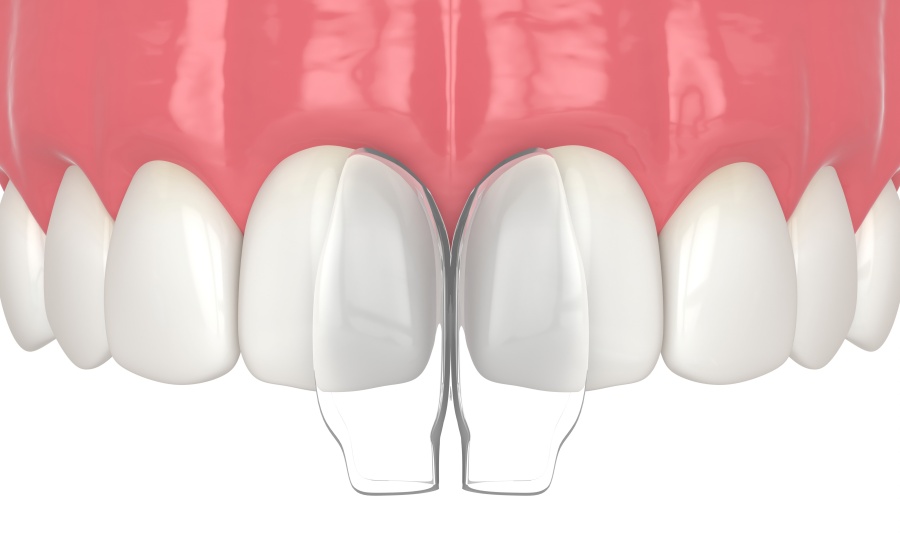
The treatment uses custom-moulded pieces of tooth-coloured composite to repair cosmetic issues with your teeth. Composite bonding addresses pretty much all the same issues as veneers (which take twice the time and often involve the removal of natural tooth structure).
The process involves manually layering composite resin pieces and setting them with a light. We then give the resins a thorough polish, which gives that glossy finish we associate with real tooth enamel.
If it sounds like we’re blowing the trumpet for composite bonding to the point of being sycophantic, it’s because we genuinely do love seeing how much this treatment benefits patients. Not only is it:


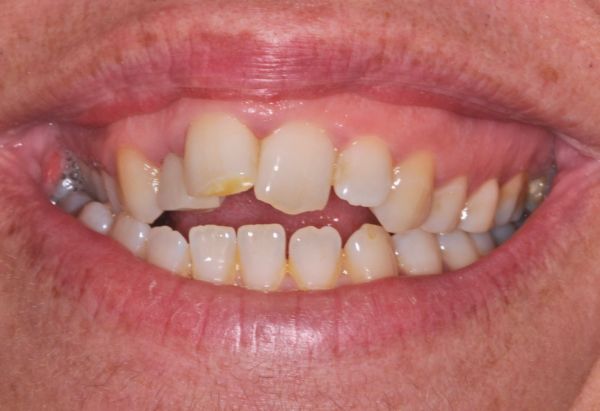
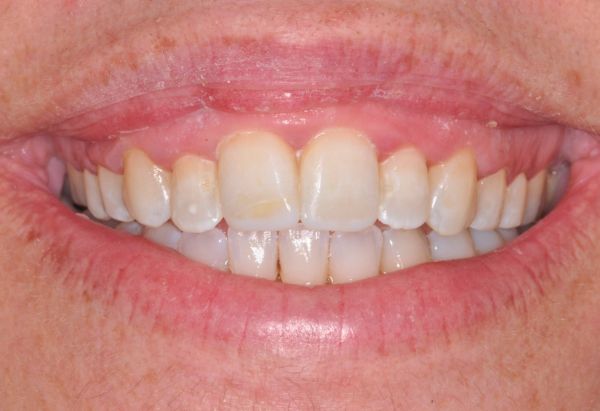
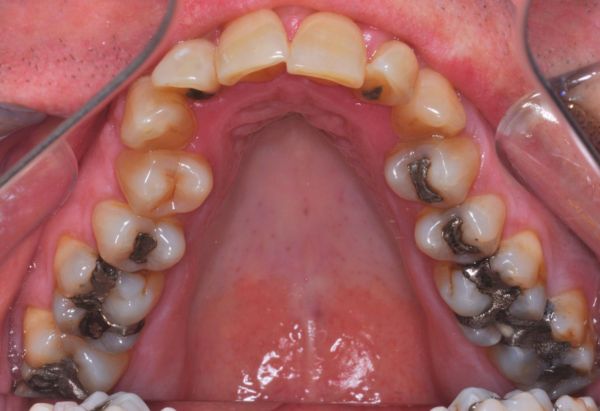
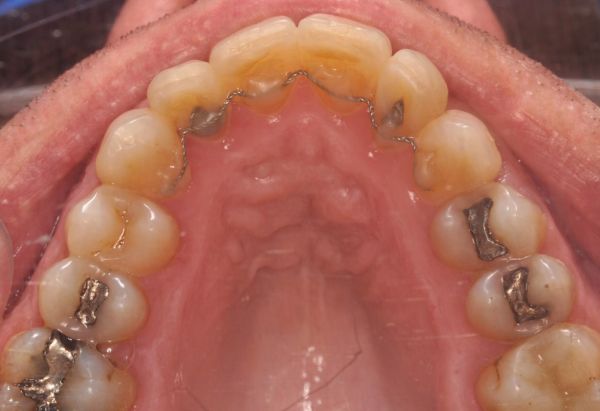
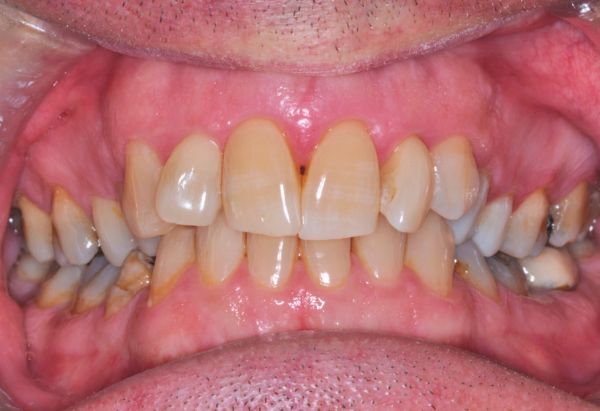
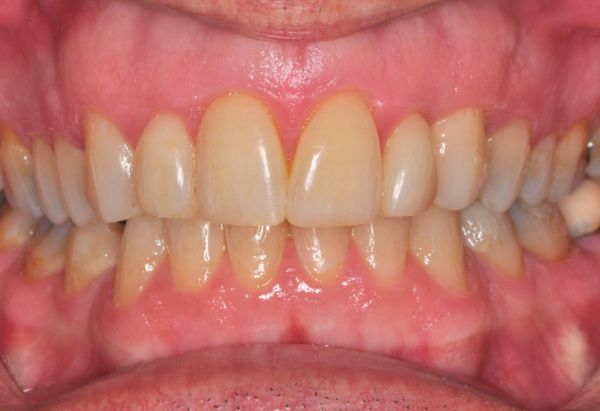
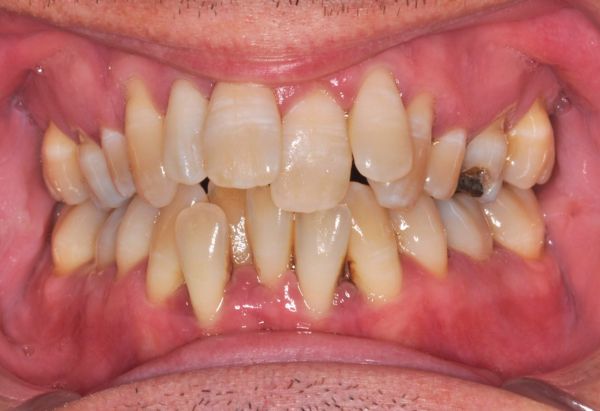
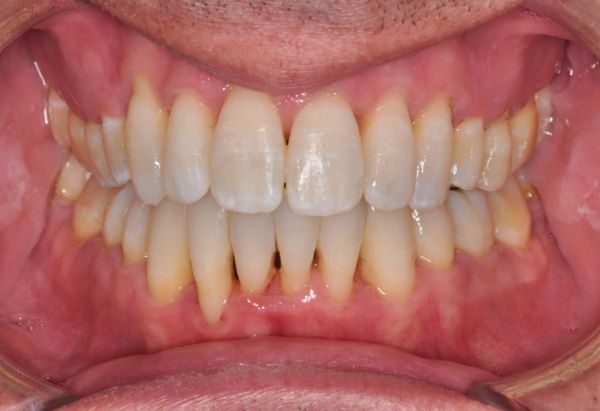
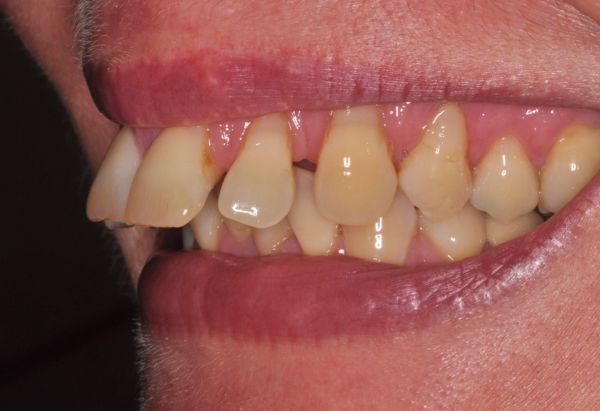
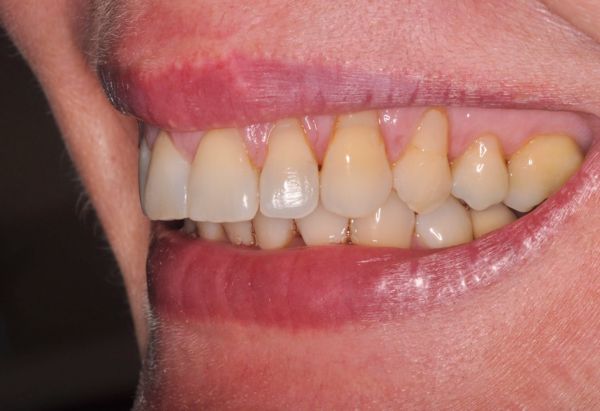
Sort of. What composite bonding can do is close small gaps between your teeth. This can create the effect of aligning your teeth by altering their shape and size. What it can’t do is actually move the position of individual teeth.
With this in mind, a lot of our patients love the combination of using braces or aligners with composite bonding for teeth straightening. We can align the position of your teeth, then alter the shape and size using composite bonding to enhance the results of your orthodontic treatment.
If you only have very small gaps in your teeth, we will likely be able to simply use composite bonding to address them (though this does depend on the location of the gaps in your teeth – we can’t address those at the back of your mouth with composite bonding).
Dental composite is widely used in dentistry, both for cosmetic and restorative purposes. It’s a mixture of glass or silica and short fibres, both of which are designed to copy the characteristics of real tooth enamel.
The main thing to know is that once the composite is bonded to your tooth, chewing and biting will feel natural, and you won’t notice the join between the composite and your real tooth structure.
Veneers achieve all of the same things as composite bonding, and they do last longer – in some cases, they can last for twice the number of years. But, yep, there is a but.
Getting veneers does involve some of your natural tooth structure being removed. This means anaesthetic and drilling will be involved, and increasingly patients are looking to avoid the removal of natural tooth structure for purely cosmetic purposes (and so are responsible dentists like us).
We recommend veneers if you:
We recommend composite bonding if you:
Book your appointment today and take the first step toward your perfect smile.
Book an appointmentStay connected with Peacock Dental Spa for smile inspiration, tips, and the latest news.
Read more